
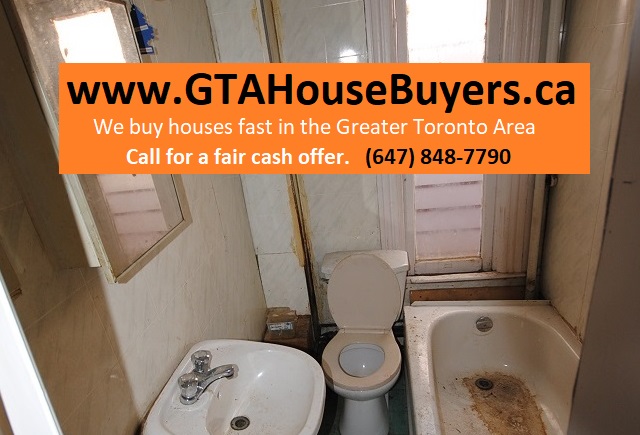
Selling a house in bad condition in Toronto can feel overwhelming. You may look around and see repairs everywhere. Old wiring. Water damage. Cracked walls. Maybe the house sat vacant for years or tenants did not take care of it. Whatever the reason, many Toronto homeowners reach a point where fixing everything feels impossible.
The good news is this. You can sell a house in bad condition in Toronto. People do it every day. You just need to understand your options, your responsibilities, and what buyers actually care about.
This guide walks through the realities of selling a house in poor condition in Toronto, without sugarcoating or pressure. It focuses on real situations and practical choices, written for homeowners, not industry insiders.
What Counts as a House in Bad Condition
A house in bad condition does not mean one small issue. It usually involves multiple problems that stack up over time.
Common issues include:
- Major repairs that never got done
- Outdated plumbing or electrical systems
- Roof or foundation problems
- Water or mold damage
- Fire damage or smoke damage
- Long-term neglect or hoarding
- Tenant-related damage
Some homes show one or two of these problems. Others show many at once.
Why Toronto Homeowners End Up With Houses in Poor Condition
Most people do not plan to own a damaged house. Life just happens.
Common reasons include:
- Inherited property that sat unused
- Rental homes with difficult tenants
- Health issues that stopped upkeep
- Financial pressure that delayed repairs
- Aging homes that need more than basic fixes
None of these situations mean failure. They simply create a tough decision point.
Is It Legal to Sell a House in Bad Condition in Toronto
Yes. It is legal to sell a house in any condition in Toronto. You do not need to fix everything before selling. You do need to stay honest. Known issues should be disclosed properly.
Selling in bad condition does not mean hiding problems. It means selling the house as it stands today.
Should You Fix the House Before Selling
This is one of the biggest questions homeowners ask. The answer depends on your situation.
Repairs cost money, time, and energy. Many repairs go over budget and take longer than expected. If you already feel overwhelmed, fixing the house may make things worse.
In many cases, selling without repairs makes more sense, especially when the issues are large or spread throughout the house.
Why Traditional Buyers Avoid Bad Condition Homes
Most buyers who plan to live in a house want move-in ready homes. They often feel nervous about major repairs.
They worry about:
- Unexpected costs
- Delays
- Safety concerns
Because of this, traditional buyers often pass on homes that need serious work.
This reality does not mean your house has no value. It simply means the buyer type changes.
Who Buys Houses in Bad Condition in Toronto
Buyers who purchase homes in poor condition usually expect problems. They plan for them.
These buyers look at:
- Location
- Lot value
- Structure
- Long-term potential
They do not expect perfection. They expect honesty.
Selling to buyers who understand repairs removes pressure from you.
The Emotional Side of Selling a Damaged Home
Many homeowners feel embarrassed about their house’s condition. This feeling runs deeper than people admit.
It helps to remember this. Buyers see houses as projects. They do not judge your life or choices. Selling a damaged house does not reflect your worth. It reflects circumstances.
What to Expect During the Selling Process
Selling a house in bad condition feels different from a typical sale.
You may see:
- Fewer showings
- More direct questions
- Buyers focused on structure and systems
Clear communication helps everything move smoother.
Do You Need to Clean or Declutter
You do not need to renovate. Basic safety and access matter more than appearance. If cleaning feels manageable, it helps. If not, many buyers understand. Do what you can without exhausting yourself.
Common Mistakes Homeowners Make
Some mistakes add stress:
- Spending money on repairs that do not help the sale
- Waiting too long hoping things improve
- Hiding issues out of fear
- Comparing your house to renovated listings
Avoiding these mistakes saves time and frustration.
Pricing Expectations Without Talking Numbers
Houses in bad condition sell differently. Buyers factor in repairs, risk, and effort. Instead of focusing on what nearby houses sold for, focus on what your house offers right now. Understanding this difference helps avoid disappointment.
Why Timing Still Matters
Even houses in bad condition sell faster when owners stay realistic and prepared.
Delaying decisions often adds costs like:
- Taxes
- Utilities
- Insurance
- Ongoing stress
Selling sooner can bring relief.
What Selling in Bad Condition Gives You
Selling as-is gives you:
- Freedom from repairs
- Less stress
- A clear timeline
- A chance to move forward
For many Toronto homeowners, that relief matters more than anything else.
Choosing the Path That Fits Your Life
There is no single right way to sell a house in bad condition.
The right path depends on:
- Your health
- Your finances
- Your timeline
- Your energy
Understanding your options helps you choose with confidence.
Frequently Asked Questions About Selling a House in Bad Condition in Toronto
Can I sell my house in bad condition in Toronto legally?
Yes. You can sell a house in any condition as long as you disclose known issues honestly.
Do I need to repair anything before selling?
No. Repairs are not required if you choose to sell the house as-is.
Will buyers still be interested in a damaged house?
Yes. Some buyers focus specifically on homes that need work.
Can I sell if the house has serious problems?
Yes. Houses with major issues sell when buyers understand the condition.
Is selling a damaged house stressful?
It can feel stressful at first, but choosing the right approach often reduces pressure.
If you are dealing with a house in bad condition and want a clear path forward, GTA House Buyers can explain your options without pressure. Call (647) 848-7790 to talk it through.