
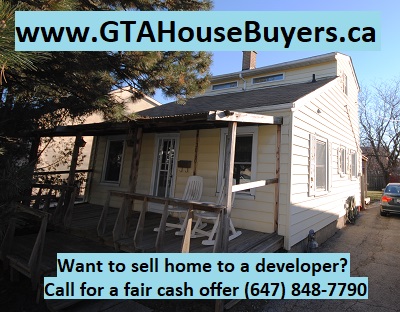
Selling a home to a developer in Toronto looks very different from selling to a regular buyer. Developers do not look at paint colors, staging, or whether the kitchen feels modern. They look at land, zoning, location, and future potential.
For some homeowners, selling to a developer makes sense. For others, it does not. The key is understanding how this type of sale actually works so you can decide if it fits your situation.
This guide explains how selling to a developer works in Toronto, what developers care about, what you should prepare for, and how to avoid common mistakes. It is written for homeowners who want clear answers, not sales talk.
What It Means to Sell to a Developer
When you sell to a developer, you are not selling the house for someone to live in long term. You are selling the property for redevelopment.
That redevelopment could include:
- Building multiple units
- Replacing the house with a new structure
- Assembling land with neighboring properties
- Changing the use of the property
Your house itself may not matter much. The land often matters more.
Why Toronto Attracts Developers
Toronto continues to grow. Population pressure, transit expansion, and housing demand push developers to look for land in established neighborhoods.
Developers focus on areas with:
- Transit access
- Growing density
- Redevelopment-friendly zoning
- Strong long-term demand
If your property sits in one of these areas, a developer may see opportunity.
Signs Your Property May Interest a Developer
Not every house attracts developers. Some properties fit better than others.
Common factors developers look for include:
- Larger lot size
- Corner lots
- Proximity to transit or main roads
- Zoning that allows more density
- Neighboring properties that could combine land
A small house on a valuable lot often draws more attention than a large house on a tight parcel.
How Selling to a Developer Differs From a Traditional Sale
Traditional buyers focus on comfort and livability. Developers focus on numbers and feasibility.
That difference changes the process:
- Fewer emotional conversations
- More technical questions
- Longer planning discussions
- Less concern about condition
Developers expect properties that may need to be torn down or heavily altered.
Do You Need to Fix Anything Before Selling
In most cases, no. Developers usually do not want you to renovate. Repairs rarely increase value in a developer sale. Cosmetic updates do not matter.
Spending money before talking to a developer often wastes time and resources.
Understanding Zoning Without Getting Overwhelmed
Zoning plays a big role in developer interest.
You do not need to become a zoning expert, but you should understand:
- Current zoning type
- Whether redevelopment already exists nearby
- Whether density changes appear likely
Developers often research zoning themselves, but basic awareness helps you ask better questions.
How Developers Evaluate Properties
Developers look at a mix of factors:
- Land size and shape
- Zoning and planning rules
- Development costs
- Timeline and risk
- Market demand
They work backward from what they can build, not from what the house looks like today.
Should You Contact Developers Directly
Some homeowners contact developers directly. Others prefer intermediaries who understand both sides.
Direct contact can work, but it comes with challenges:
- Complex discussions
- Technical language
- Long timelines
Having guidance helps many homeowners stay grounded during negotiations.
Privacy and Quiet Sales Matter
Selling to a developer does not always require public listings. Many homeowners prefer quiet discussions rather than open marketing. This approach reduces disruption and avoids unwanted attention.
Quiet sales often suit people who value discretion.
Timelines in Developer Sales
Developer sales can take longer than regular sales.
Reasons include:
- Planning reviews
- Zoning considerations
- Internal approvals
Patience matters. Knowing this upfront helps manage expectations.
Risks to Watch For
Not every developer conversation leads to a sale.
Watch for:
- Open-ended timelines
- Unclear conditions
- Pressure to wait indefinitely
Clear communication protects you from feeling stuck.
Emotional Considerations
Selling a home to a developer can feel strange. The house may hold memories, but the buyer may see it as a future project.
That emotional gap can feel uncomfortable. Recognizing it helps you stay confident in your decision.
Is Selling to a Developer Right for You
Selling to a developer often works best if:
- You care more about land value than house condition
- You want minimal repair involvement
- You understand timelines may vary
- You value a clear, direct sale
It may not fit homeowners who want fast, traditional transactions.
Making an Informed Choice
Selling to a developer is not about chasing trends. It is about choosing what fits your property and your goals. The more informed you feel, the better your decision will be.
Frequently Asked Questions About Selling to a Developer in Toronto
Can I sell my home to a developer in Toronto legally?
Yes. Selling to a developer is legal in Toronto when zoning and planning rules are followed.
Do developers care about the condition of my house?
Usually no. Developers focus on land and redevelopment potential.
Will I need to renovate before selling to a developer?
No. Renovations rarely add value in developer sales.
Does selling to a developer take longer?
It can. Developer sales often involve planning timelines.
Is selling to a developer common in Toronto?
Yes. Many Toronto properties sell to developers each year.
If you are considering selling your home to a developer and want clear guidance without pressure, GTA House Buyers can walk you through your options. Call (647) 848-7790 to talk it through.